




Cup & Tray Filling Sealers
Fill liquids, pastes or pieces into preformed cups and trays before applying roll film or pre-cut lids through a controlled heat-sealing process.
Integrated Filling & Package Sealing
Fill liquids, pastes, powders or granules and complete the package with a compatible heat-sealing, ultrasonic, vacuum or mechanical sealing process. ZONESUN filling and sealing machines can be configured for cups, trays, flexible tubes, ampoules, premade pouches, formed bags, monodose packages and blister-style containers.
Integrated Filling and Package Sealing
A filling and sealing machine combines product dosing with a sealing method designed around the package material and opening. The correct configuration depends on the product, container or film structure, sealing area, required barrier, production speed and intended storage conditions.
Fill liquids, pastes or pieces into preformed cups and trays before applying roll film or pre-cut lids through a controlled heat-sealing process.
Fill plastic, laminated or aluminum tubes and close the open end using heat, ultrasonic sealing, folding or mechanical crimping.
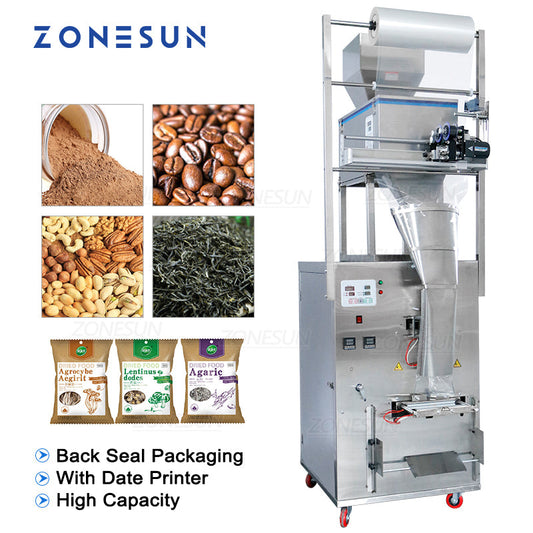
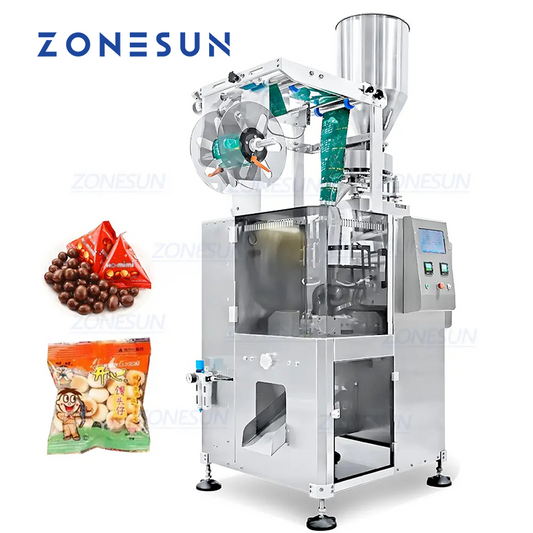
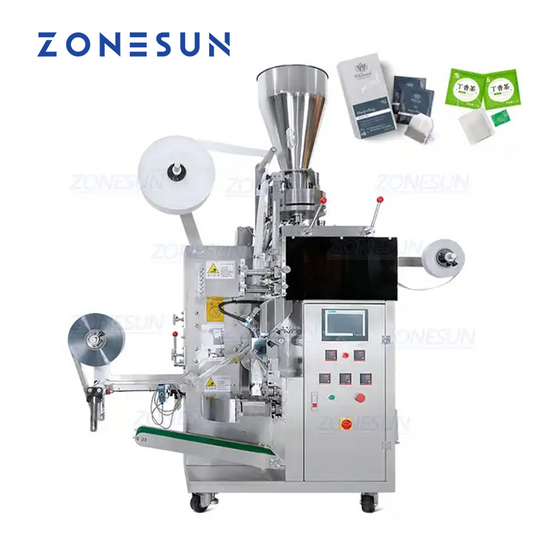
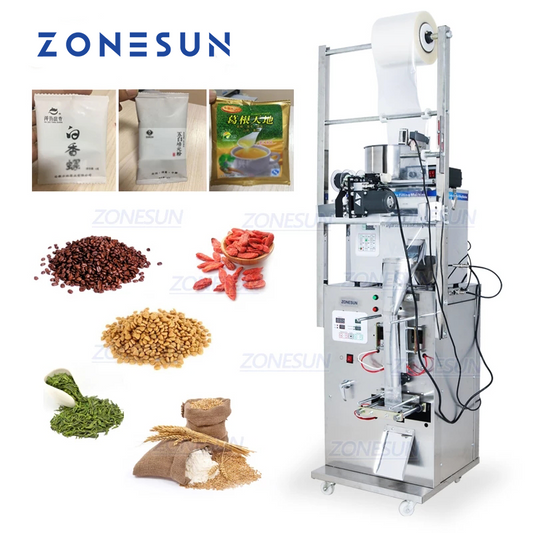
Fill premade pouches or bags formed from roll film and seal the package for liquid, paste, powder, granule or irregular products.
Fill small plastic ampoules, strip tubes or single-dose packages before sealing their openings through a matched thermal process.
Controlled temperature, pressure and dwell time join compatible thermoplastic sealing layers on cups, pouches and tubes.
High-frequency vibration generates localized heat at compatible plastic tube surfaces to form the end seal.
Air is removed from compatible bags before the opening is sealed, subject to product and package requirements.
Aluminum and other compatible metal tubes are closed through single, double or application-specific folds.
| Package Format | Typical Filling Material | Common Sealing Method | Important Selection Details |
|---|---|---|---|
| Cups & Trays | Liquids, pastes, desserts and products with pieces | Heat-sealed roll film or pre-cut lid | Cup rim, film structure, filling temperature and seal dimensions |
| Plastic or Laminated Tubes | Creams, gels, lotions, adhesives and compatible pastes | Hot-air, direct heat or ultrasonic sealing | Tube material, diameter, orientation mark and end-seal design |
| Aluminum Tubes | Ointments, creams, adhesives and compatible products | End folding and mechanical crimping | Tube diameter, metal thickness, fold pattern and batch coding |
| Premade or Formed Pouches | Liquids, pastes, powders, granules and irregular products | Heat sealing or optional vacuum sealing | Film layers, pouch dimensions, zipper, gusset and seal width |
| Ampoules & Monodoses | Small-volume liquids, gels and compatible samples | Thermal forming and sealing | Package resin, dose, neck shape, number of lanes and cut pattern |
It is a machine that dispenses a product into a package and then closes the package by heat sealing, ultrasonic sealing, vacuum sealing, folding or another compatible sealing method.
Capping normally applies a separate closure such as a screw cap, pump, plug or lid. Sealing normally joins packaging surfaces or a sealing film through heat, ultrasound, pressure, vacuum or mechanical forming.
The filling system must match the product. Liquids may use pumps, pastes may require piston or rotor systems, powders may use augers and granules may require weighing or volumetric dosing.
Compatible sizes may be handled using adjustments or change parts. Different cup shapes, tube diameters, pouch widths or sealing profiles may require separate molds, guides, heating blocks or sealing jaws.
Temperature must be established according to the packaging material, sealing layer, thickness, machine speed, pressure and dwell time. Sample testing is required to determine suitable settings.
Selected machines can emboss or print batch and date information near the sealed area. Coding method and available space depend on the package and sealing structure.
Compatible machines may include vacuum extraction or protective-gas flushing before sealing. The suitable option depends on the product, package barrier, residual-gas target and intended storage conditions.
Provide the product, filling quantity, package dimensions, packaging material structure, seal sample, required speed, filling temperature, hygiene requirements and actual product and package samples where possible.