






Compact equipment for sampling, craft production and low-volume bottle runs.
WINE & SPIRITS CLOSURE SYSTEMS
T-Cork Capping Machines
Insert T-shaped bar-top stoppers and compatible cork closures into whisky, gin, liqueur, wine and spirits bottles with controlled downward pressure. Choose from manual, pneumatic and fully automatic corking systems with optional cork feeding and bottling-line integration.
- Controlled Insertion Depth
- Stable Bottle Positioning
- Automatic Cork Feeding
- Line Integration
-
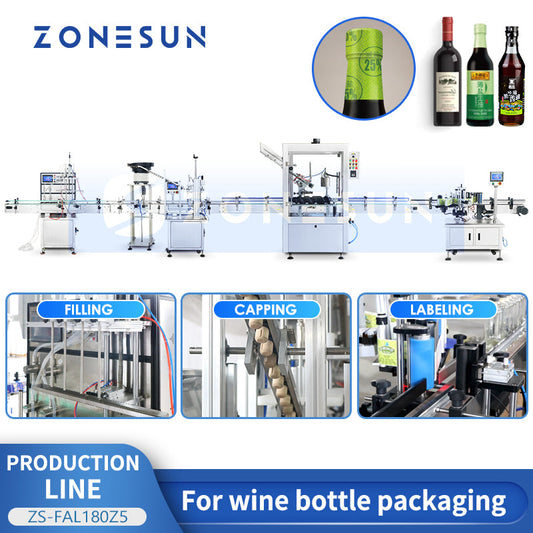
ZONESUN Liquor Bottling Machine Cork Capper PVC Capsule Heat Shrinker Wrap Around Labeler Spirits Liquid Packing ZS-FAL180Z5
Běžná cena $21,765.99 USDBěžná cena$0.00 USDVýprodejová cena $21,765.99 USD -
ZONESUN ZS-AFC883W Automatic Wine Bottle Rinsing Filling and Corking Machine
Běžná cena $24,499.00 USDBěžná cena$0.00 USDVýprodejová cena $24,499.00 USD -
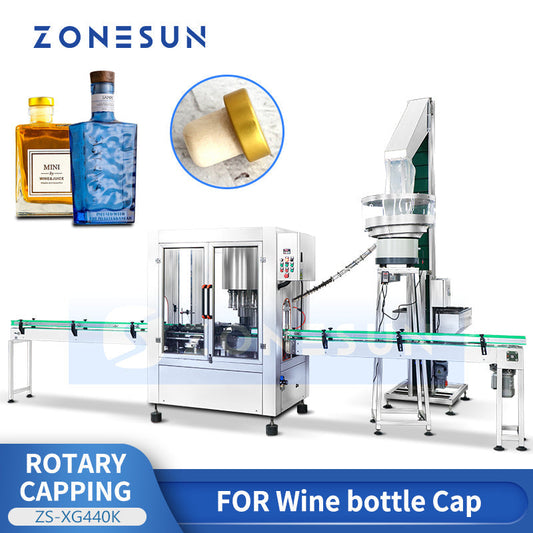
ZONESUN Wine Bottle Cork Pressing Machine ZS-XG440K
Běžná cena Od $17,599.00 USDBěžná cena$0.00 USDVýprodejová cena Od $17,599.00 USD -
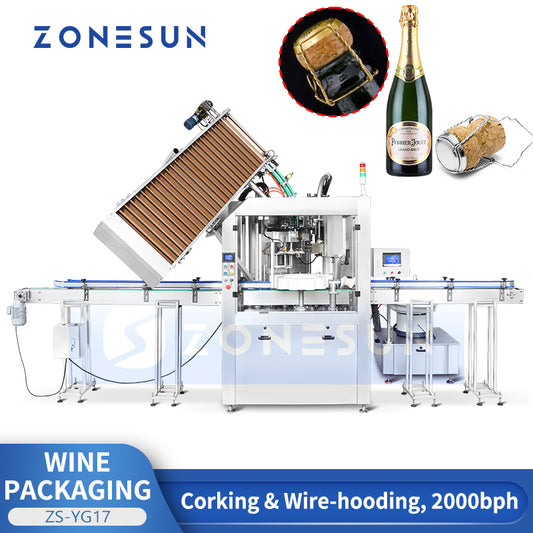
ZONESUN Automatic Wine Corking Machine and Wire Hooding Monobloc Capping Machine ZS-YG17A
Běžná cena $40,998.99 USDBěžná cena -
ZONESUN ZS-XG21U Automatic T Corking Machine for Whisky Gin Liquor Bottles High Speed Bar Top Cork Inserter
Běžná cena $5,600.00 USDBěžná cena$0.00 USDVýprodejová cena $5,600.00 USD -
ZONESUN ZS-XG16D1 Custom Automatic Wooden Cork Cap Pressing Machine With Cap Feeder
Běžná cena $4,299.00 USDBěžná cena -
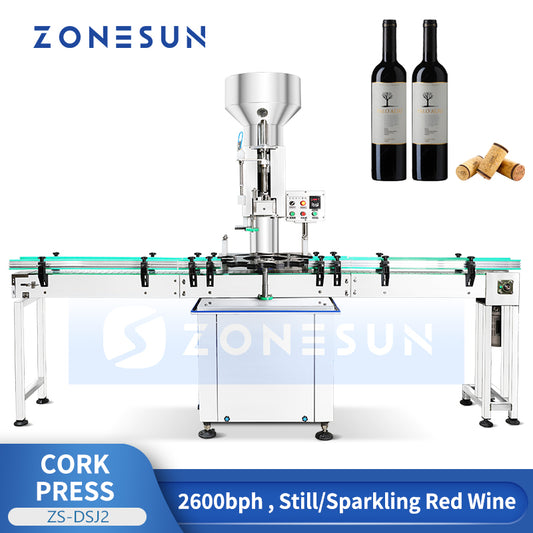
ZONESUN ZS-DSJ2 Automatic Red Wine Bottles Cork Fedding Capping Machine
Běžná cena $7,799.00 USDBěžná cena -
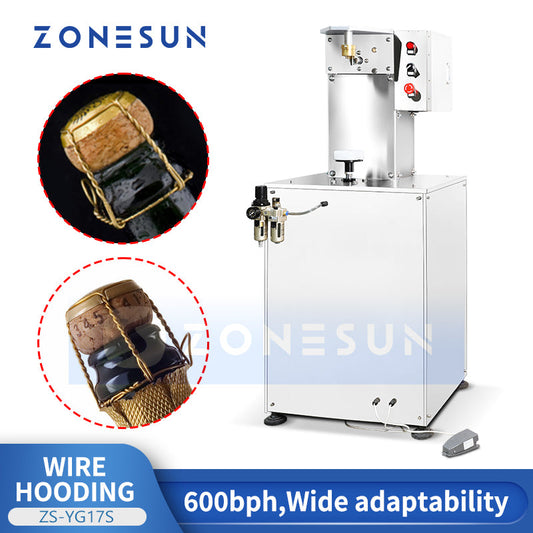
ZONESUN ZS-YG17S Semi-automatic Wine Wooden Cork Wire Hooding Machine
Běžná cena $1,749.00 USDBěžná cena$0.00 USDVýprodejová cena $1,749.00 USD -
ZONESUN ZS-XGDSJ1 Automatic Wine Bottles Wooden Cork Feeding And Pressing Machine
Běžná cena $859.00 USDBěžná cena$1,357.99 USDVýprodejová cena $859.00 USDSleva -
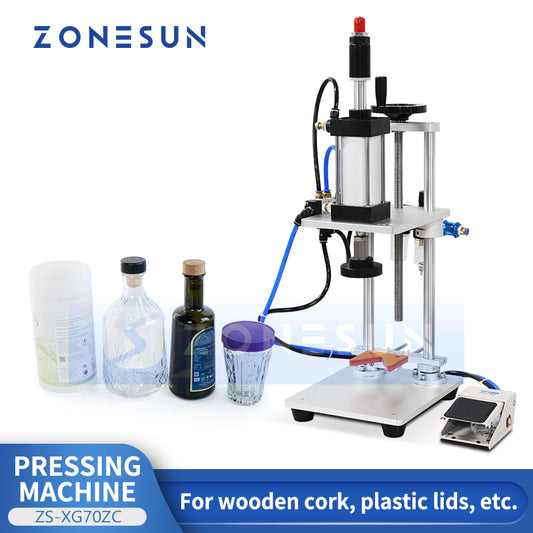
ZONESUN ZS-XG70ZC 70mm Tabletop Pneumatic Capping Machine
Běžná cena Od $185.00 USDBěžná cena -
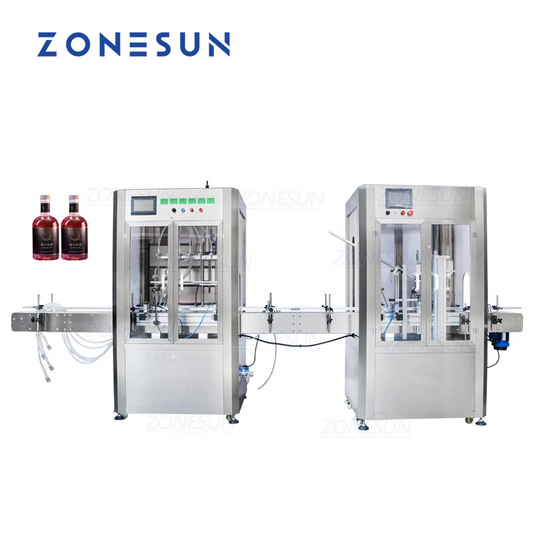
ZONESUN 6 Head Liquid Filling And Cork Pressing Capping Machine With Dust Cover
Běžná cena $10,599.00 USDBěžná cena -
ZONESUN Custom Full Automatic Capping Machine With Dust Cover
Běžná cena $5,499.00 USDBěžná cena -
ZONESUN ZS-XG16DV Custom Automatic Cork Cap Pressing Capping Machine
Běžná cena $4,949.00 USDBěžná cena -
ZONESUN ZS-XG1870D1 Pneumatic Automatic Wooden Cork Feeding Pressing Capping Machine
Běžná cena $2,399.00 USDBěžná cena -
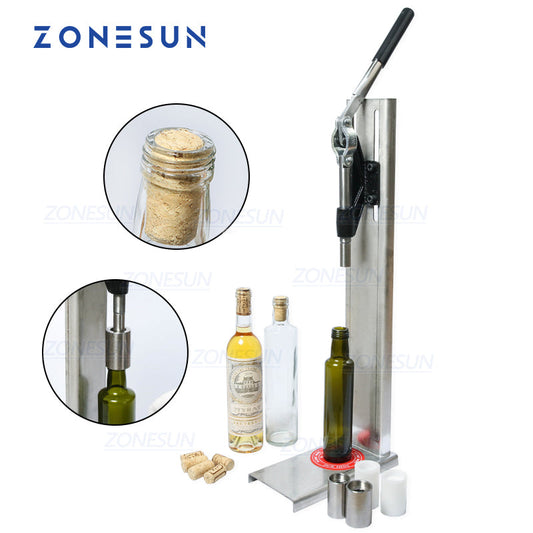
ZONESUN 20-24mm Manual Stainless Steel Wine Corking Capping Machine
Běžná cena Od $48.01 USDBěžná cena
CORKING MACHINE SELECTION GUIDE
Choose the Right Corking Method for Your Bottle
T-corks, straight wine corks and screw caps use different application methods. Confirm the closure structure, bottle-neck dimensions and required output before choosing a machine.
For accurate testing, provide:Cork sampleEmpty bottleNeck dimensionsTarget speed
Consistent downward force for semi-automatic T-cork and press-fit closure application.
Orients and supplies compatible closures for continuous higher-output production.
Combine filling, corking, shrinking, labeling or other downstream processes.
01
Four Details That Determine Machine Fit
Closure Structure
Confirm whether the closure is a T-shaped bar-top stopper, straight cork or another press-fit cap.
Bottle Neck
Measure the opening, neck height and finish, and check bottle stability on the working platform.
Force & Depth
The cork material, diameter and interference fit affect insertion pressure and final seating depth.
Output & Feeding
Select manual loading, operator-assisted production or automatic cork sorting and feeding.
02
Typical Corking Process
- 1Position BottleCenter and support the container.
- 2Load ClosurePlace or automatically feed the cork.
- 3Insert CorkApply controlled vertical pressure.
- 4Inspect SealCheck depth, alignment and finish.
03
T-Cork, Straight Cork or Screw Cap?
A decorative top remains above the bottle neck while the shank is pressed into the opening. Common for whisky, gin, liqueur and premium spirits.
The cork is compressed and inserted into the neck. Machine tooling must match the cork and wine-bottle finish.
The cap is tightened by rotational torque. Choose a screw-capping or ROPP system instead of a cork pressing machine.
04
Frequently Asked Questions
What is a T-cork?
A T-cork, also called a bar-top stopper, has a wider top that remains visible and a narrower cork or synthetic shank that fits inside the bottle neck.
Can one machine handle several cork sizes?
Some machines can be adjusted or fitted with change parts, but the workable range depends on the closure diameter, height, material and bottle-neck dimensions.
Can it insert natural and synthetic corks?
Potentially, but the required force, friction and feeding behavior differ. Send both closure samples for confirmation if you plan to use multiple materials.
Does the machine automatically feed T-corks?
Selected automatic models support closure feeding. Irregular decorative tops may require a customized sorting and feeding system.
Can a T-cork machine cap filled bottles?
Yes. Product foaming, fill level, bottle-neck cleanliness and required production speed should be considered when matching it to a filling line.
What should I send before ordering?
Provide several closures and empty bottles, dimensional drawings if available, desired bottles per minute and a description of the upstream and downstream equipment.