
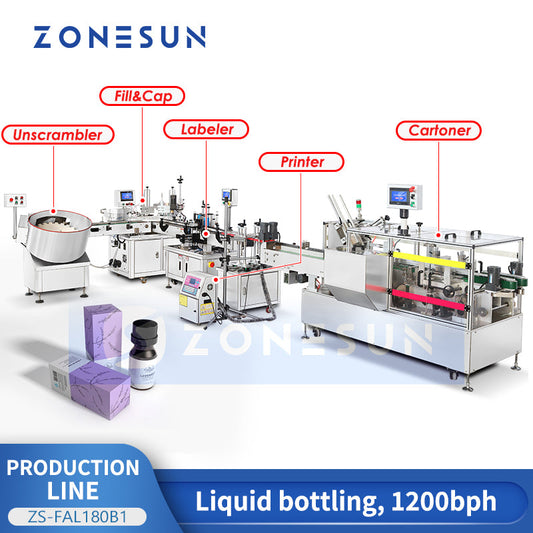

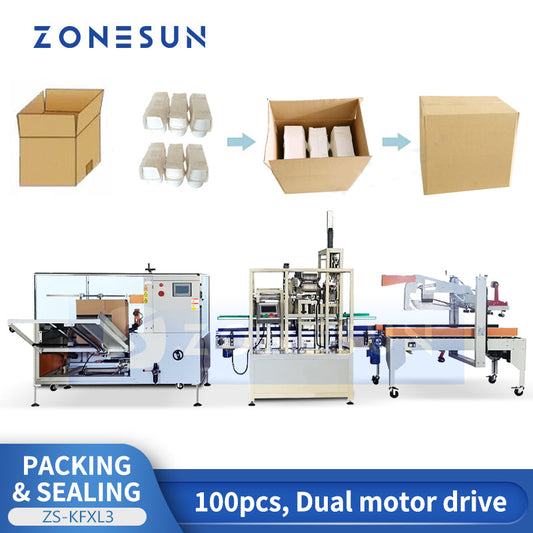

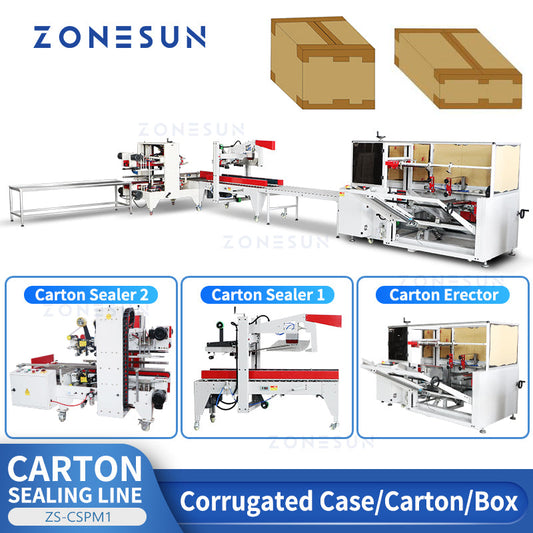
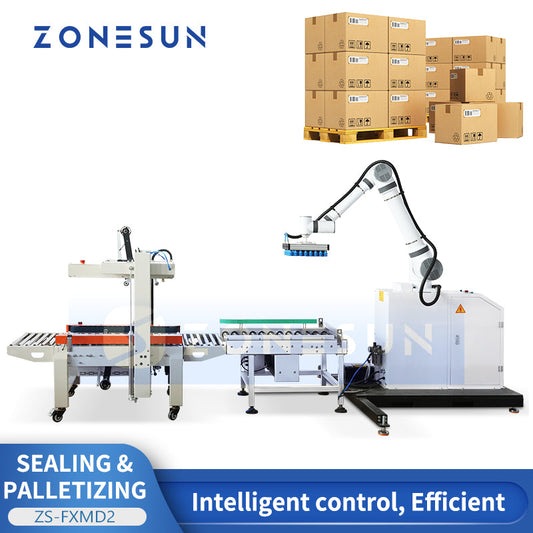
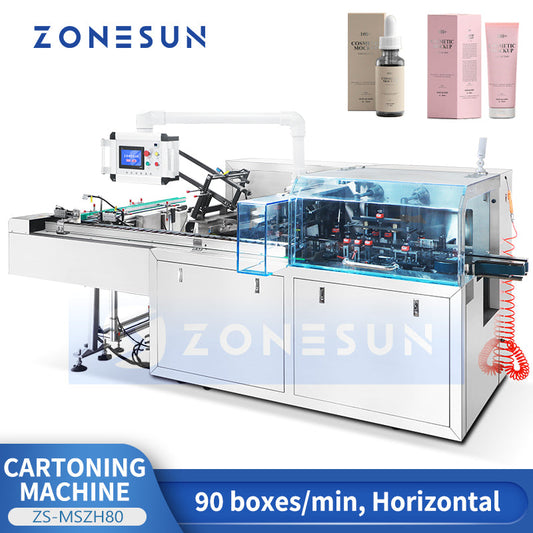


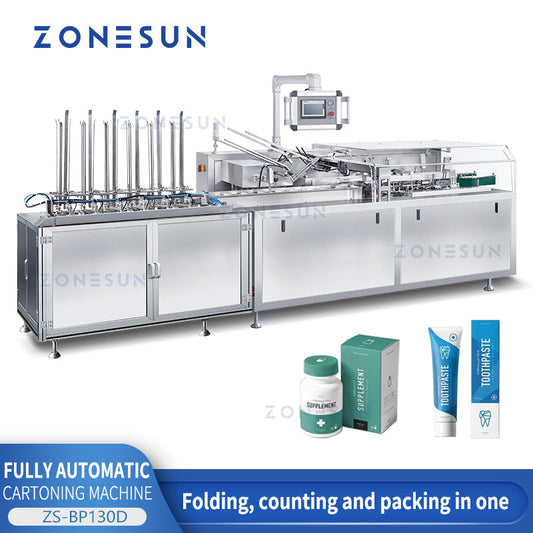


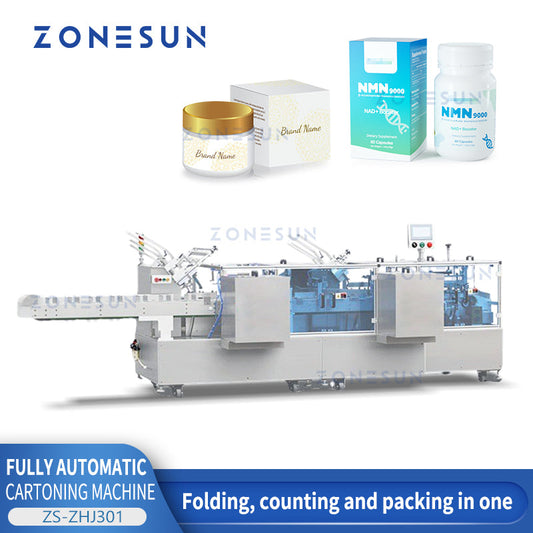


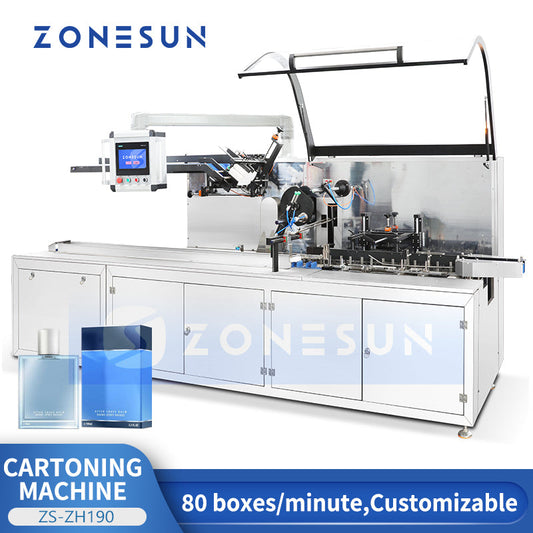


Horizontal Cartoning
Products are generally loaded through the side of an erected carton. Suitable for bottles, tubes, sachets, blister packs and regularly shaped packaged products.
Secondary Packaging Equipment
Explore horizontal, vertical and top-loading cartoning machines, paper box forming equipment and automatic folding and sealing systems. Solutions can be configured for bottles, tubes, sachets, cosmetics, pharmaceuticals, food products and other packaged goods, with options for standalone operation or production-line integration.
Get a Machine RecommendationCartoning Machine Selection Guide
Cartoning equipment should match the product, paper carton, loading orientation, closure method and required output. Depending on the application, the machine may erect flat cartons, load products and leaflets, fold the carton flaps, seal the box and transfer the finished package to downstream inspection or case-packing equipment.
Products are generally loaded through the side of an erected carton. Suitable for bottles, tubes, sachets, blister packs and regularly shaped packaged products.
Products are loaded through the upper carton opening. Suitable for upright products, grouped pieces and applications requiring vertical placement.
Products are placed into open cartons or trays from above, allowing customized loading arrangements and grouped packaging.
Forms flat paperboard blanks into cartons, trays or other configured box structures before loading or downstream use.
Folds carton flaps and closes boxes using tuck-in structures, adhesive or another confirmed sealing method.
Loads finished products or smaller cartons into shipping cases and connects with sealing or end-of-line equipment.
The actual sequence depends on the machine and carton structure. Leaflet insertion, coding, inspection and rejection systems are optional and should be confirmed for each project.
A finished-box sample alone may not show all of the information required for machine configuration. Please also provide the flat carton drawing, folding lines, flap structure and material details. Changes to carton dimensions or paperboard stiffness may affect feeding, erecting and closing performance.
Product dimensions, weight, orientation, grouping and stability.
Carton size, material, flap design, folding lines and closure.
Manual, mechanical or robotic product and leaflet loading.
Required cartons per minute and upstream product-feeding speed.
Provide product samples, product dimensions and weight, flat carton samples or drawings, finished carton dimensions, closure style, required output and the proposed product-loading method.
Horizontal machines generally insert products through the side of an erected carton. Vertical machines load products through the upper opening. The correct method depends on product shape, orientation and feeding requirements.
Many machines can handle a defined size range through adjustment or interchangeable parts. Large differences in carton structure, product orientation or loading method may require a separate configuration.
A leaflet-folding and insertion system can be added to suitable cartoning machines. Leaflet size, paper thickness, folding method and required position should be confirmed before configuration.
Yes. Automatic cartoners can connect with filling, capping, sealing, labeling and inspection equipment. Product feeding, conveyor height, line speed and control signals must be planned for the complete line.
Send your product, flat carton drawing and required output.